
The rupee plunged 20 paise to close at an all-time low of 78.13 against the US dollar on Monday, as a lacklustre trend in domestic equities and stronger greenback overseas weighed on investor sentiments. Forex traders said weak Asian currencies and persistent foreign capital outflows were the other major factors that dragged the local unit down. At the interbank foreign exchange market, the local currency opened at 78.20 and witnessed an intra-day high of 78.02 and a low of 78.29 against the US dollar.

Already retail inflation has risen to 6.07 per cent in February, crossing the upper band of the Parliamentary mandate. This is the second consecutive month in 2022 when retail inflation has crossed the 6 per cent mark having hit 6.01 per cent in January.

The rupee plunged to nearly 33-month low of sub-52 level after losing a whopping 81 paise against the United States currency on sustained dollar demand amid weak trends in stock markets and deepening euro-debt crisis.

India's external firewalls were solid in the form of a healthy reserve position.

Many analysts over the past week have said the RBI has legroom to cut rates to the tune of 65 bps by June and some like Barclays and BofA have also spoken about the likelihood of an inter-meeting cut.

The rupee on Tuesday recovered from its all-time intra day low of 77.79 to close higher by 7 paise on a stellar rally in domestic stock markets. After opening lower at 77.67, the local unit plunged further to its all-time intra-day low of 77.79 due to a spike in crude oil prices and disappointing macroeconomic data. However, a strong rally in domestic equities helped the rupee rebound and close at 77.48 (provisional), showing net gains of 7 paise over the last close of 77.55. The forex market was closed on Monday on account of Buddha Purnima.

The dollar index, which tracks the world's reserve currency against a basket of its peers, is down 0.16 per cent at 97.58.

The dollar index was down by 0.02 per cent against a basket of six major currencies.

RBI's steps will prevent rupee from slipping, even if OMCs meet entire $ demand from market
This marks a turnaround after rupee's 158-paise plunge in the last three sessions.

HDFC was the top loser in the Sensex pack, shedding over 2 per cent, followed by Axis Bank, Bharti Airtel, M&M, Reliance Industries, ICICI Bank, IndusInd Bank and Titan.

Fag-end dollar selling by exporters helped the rupee to recover lost ground and settle at the day's high of 60.77, a gain of 11 paise. The rupee earlier touched an intra-day low of 61.21 on July 8.

The RBI's warnings signal its concern that unhedged firms could be a vulnerable link should global markets buckle.

This is its lowest level since August 30
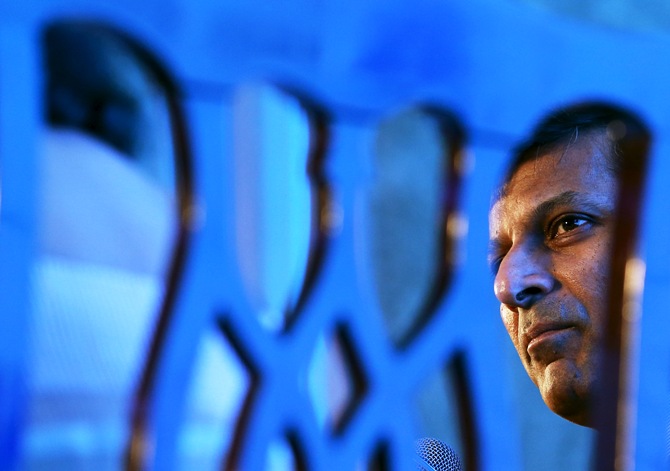
The RBI Governor brought down retail inflation to 3.8% in July.
The rupee has declined by 24 paise in four days of losses.

The rupee gained 28 paise on Thursday to close at 62.50.

Rupee hits 2-month low, down 21 paise against dollar.

Overall forex market sentiment remained cautious

Some experts, however, see a silver lining in the fall and said the volatility has come down sharply and that bodes well for the Indian currency

A lower opening at the domestic equity market and the dollar's rise against other major currencies overseas also put pressure on the rupee, dealers said.
Sustained demand for the dollar is the reason.

Most Asian currency and equity markets too suffered steep losses due to US rate hike fears.

The rupee is expected to become more jittery and choppy in the near-term

Heavy dollar selling by banks and exporters alongside debt-related inflows largely supported the rupee

A fresh demand for the US currency from importers weighed on rupee.

The rupee on Tuesday recovered from its two-week low to end steady at 66.60 against the American currency, inching up by a paisa on the back of mild dollar selling.

The rupee depreciated by 19 paise to trade at almost seven-month low of 61.94 against the US currency in early trade today at the Interbank Foreign Exchange on capital outflows amidst the dollar's gain against other currencies overseas.

Frantic dollar demand from corporates along with an aggressive hedging strategy adopted by importers in the wake of the currency volatility predominately took a toll on the domestic unit despite moves by the central bank to stabilise the currency.

The RBI recently met with a handful of foreign banks and asked them to stop acting as market-makers for rupee NDFs, according to three bankers involved in the discussions.

India's foreign exchange reserves declined by a whopping $4.343 billion to $367.646 billion.
The rupee ended almost flat against the dollar.

The rupee fell back against the pound to 98.72 from overnight close of 98.48 and turned negative to end at 77.44 per euro from Rs 77.37.

The rupee continued to slide against the pound sterling and finished at 102.64 as against 102.25 previously.
The rupee on Monday plunged to a two-week low of 66.61 by falling 47 paise against the US dollar on heavy demand for the American currency from importers.

Reserve Bank Governor Raghuram Rajan today criticised multilateral institutions like the IMF and the World Bank saying "they are not immune to cognitive capture".

In cross-currency trades, the rupee recovered sharply against the pound sterling to finish at 93.13.

The local currency opened higher at 61.20 a dollar from the previous close of 61.30 at the Interbank Foreign Exchange Market.

The gains were capped due to month-end dollar demand from importers, mainly oil firms

The rupee has depreciated by about 25 per cent in the past three months, from close to Rs 83 in mid-May, while it was even higher at about Rs 80 against the British Pound in March.
